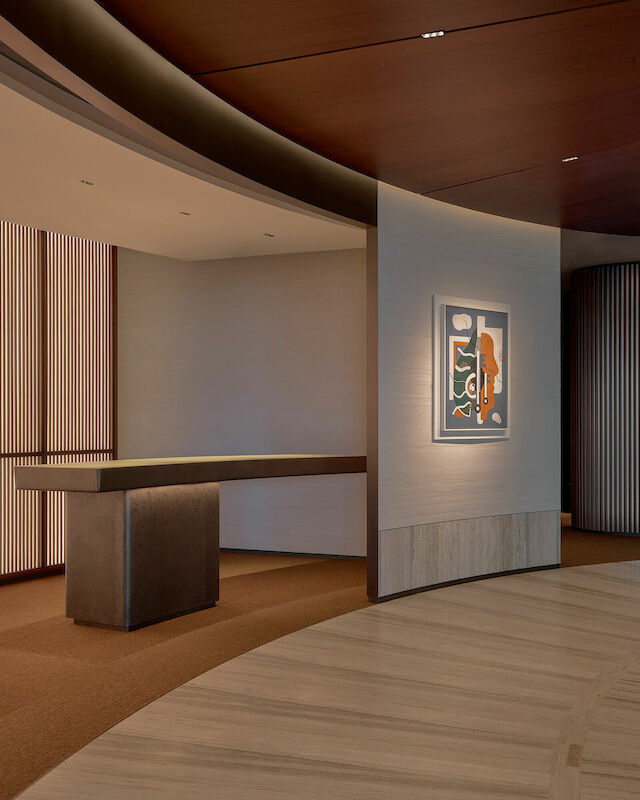
High‑end and luxury interior designer
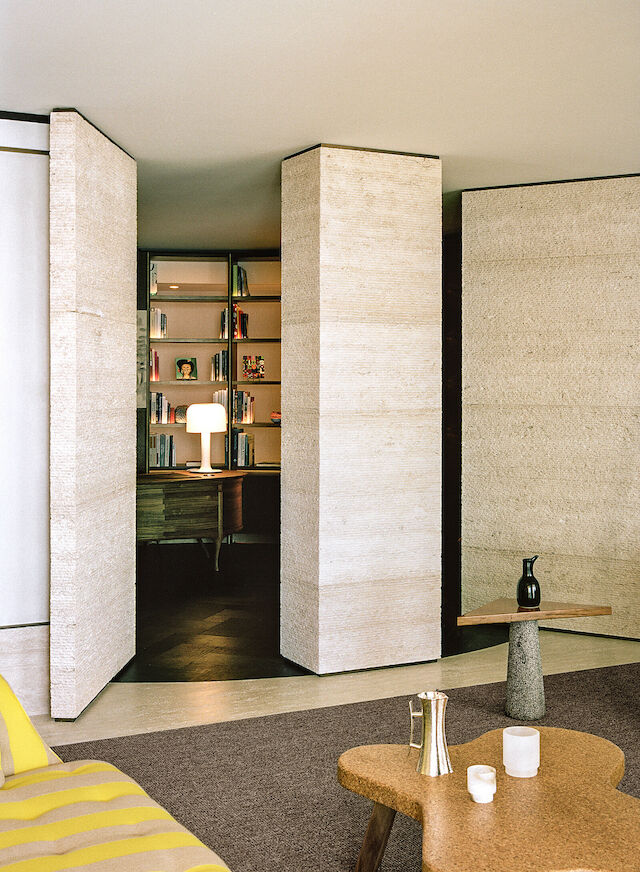
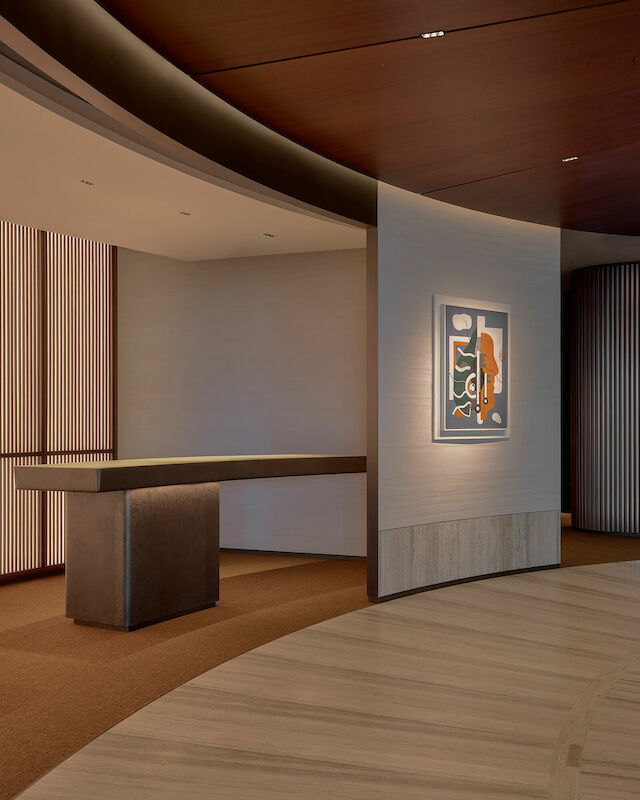
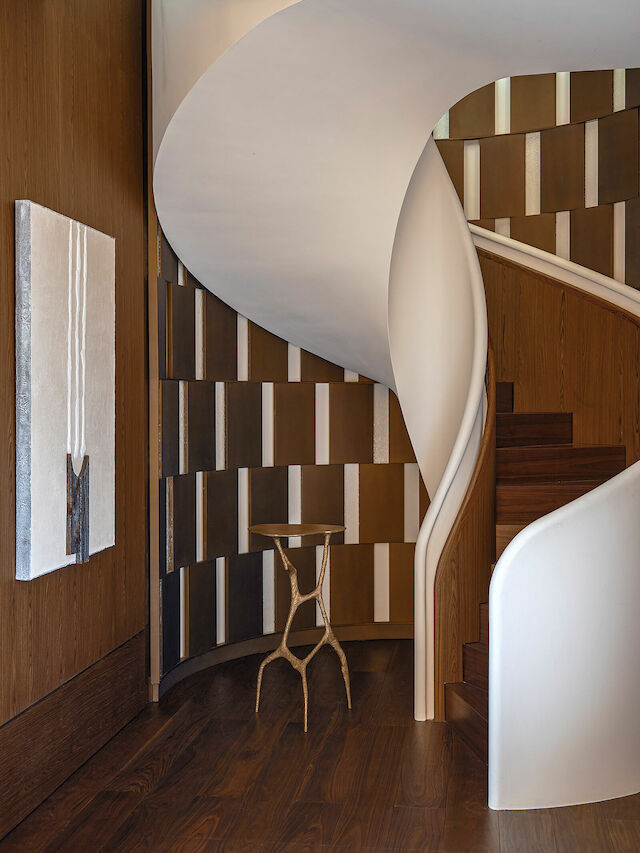
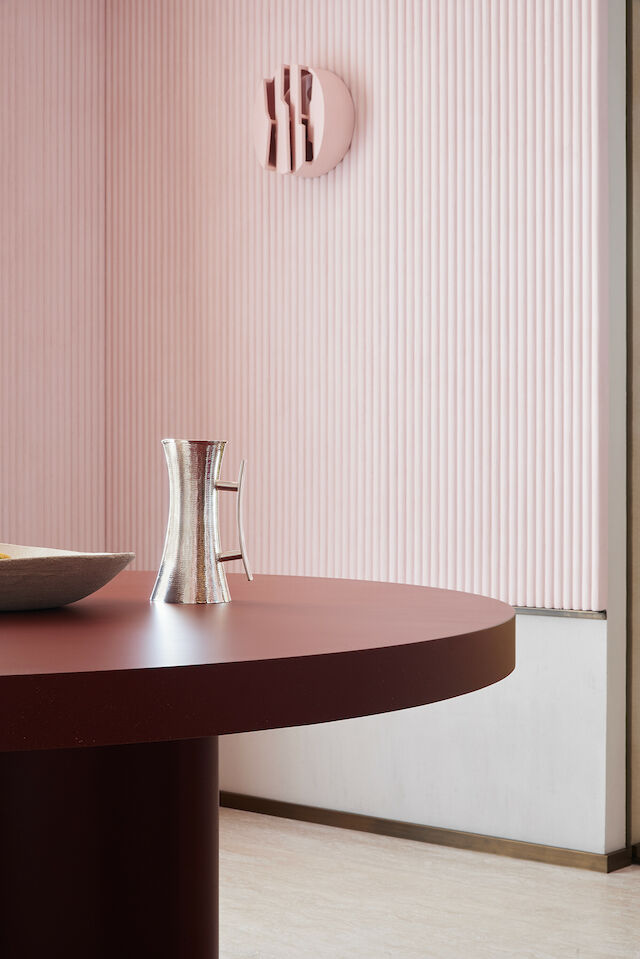
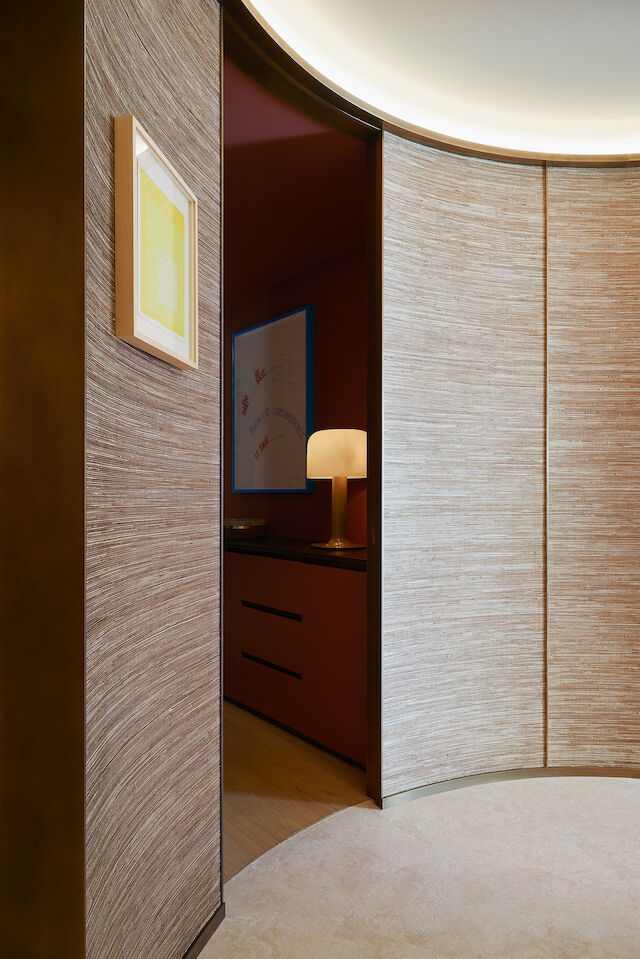
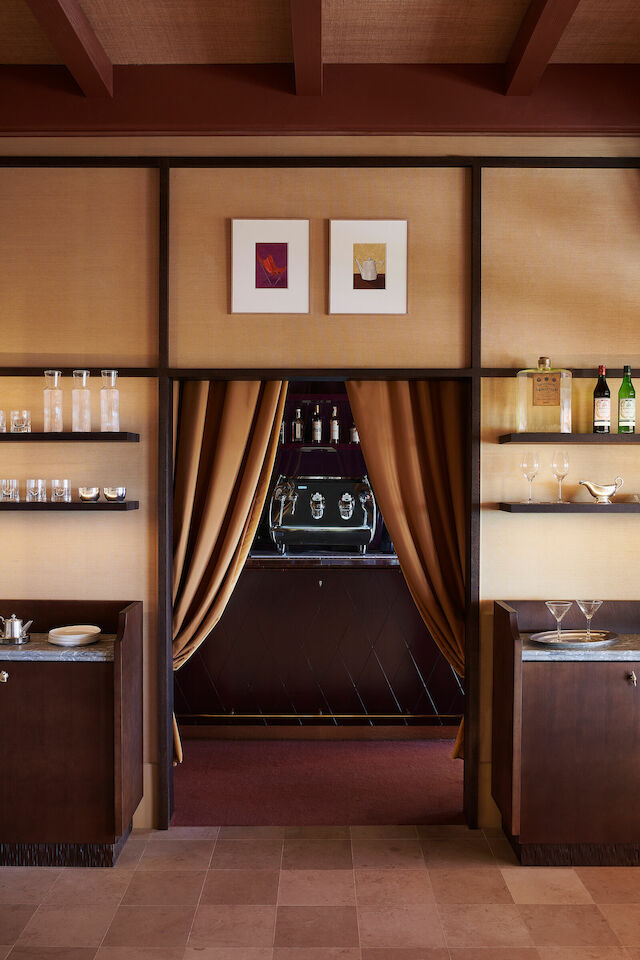
Luxury interior designer: high-end standards according to Rodolphe Parente
Luxury is not defined solely by noble materials or by an accumulation of rare objects. In interior architecture, the high-end segment is recognized through overall coherence, precision in execution and a quality of feeling that stands the test of time. A luxury interior design project must, of course, be beautiful. But above all, it must feel right: proportions, light, circulation, comfort, acoustics, details, finishes and the ability to remain relevant without becoming dated.
Rodolphe Parente Architecture Design, based in Paris, develops a global vision of space and works on projects with varied purposes, from hospitality — hotels and restaurants — to private interiors and design. This diversity is particularly relevant in luxury interiors: it allows the rigor of public-facing spaces to be applied to private residences, and brings the sensitivity and bespoke quality of exceptional private interiors to hotels and restaurants.
Luxury in interior architecture: what clients are really looking for
In a high-end project, value often lies in elements that are not immediately visible, but are instantly felt in use:
- the feeling of natural flow in circulation
- the quality of light, both natural and artificial, and its different scenarios
- acoustics, often overlooked, but essential to comfort
- the tactile quality of materials and the way they age
- the precision of junctions and alignments: joinery, floors, thresholds, skirting boards
- ergonomics, storage and the integration of functions
- the harmony between architecture, furniture, art and objects
In luxury interiors, the aim is not merely to create a style. What matters is a clear direction, a point of view and a level of precision that makes the whole project impeccable without ostentation.
A signature built between interior architecture, design and attention to detail
The studio develops a cross-disciplinary approach: interior architecture, design, furniture, and a broad range of projects including residential interiors, luxury hospitality and restaurants. For a high-end clientele, this balance changes everything. It avoids a “catalogue” effect and creates strong coherence between volumes, materials, light, furniture and details.
This project culture is also informed by a background linked to international hospitality: several sources recall Rodolphe Parente’s past collaboration with Andrée Putman and his involvement in the renovation of the Morgans Hotel in New York. This matters in the context of a “luxury interior designer” page, because the codes of high-end hospitality — precision, intensive use, finishes and experience — can be meaningfully transferred to private projects.
High-end projects for professionals: hotels, restaurants and experiential venues
Luxury is also experienced in places open to the public: hotels, restaurants, bars and destination venues. Here, interior architecture does not only serve an aesthetic purpose. It carries a brand, a positioning, an experience and an economic performance.
Hospitality: Hôtel Le Provençal in Giens, between identity and renewal
Hôtel Le Provençal, on the Giens Peninsula, is one of the studio’s emblematic projects. The hotel’s official website highlights the identity of the place and states that the property has 37 rooms and 4 suites. The project is also presented on the studio’s website in the “Interiors” section.
In a high-end hotel renovation or repositioning, the challenge is multiple:
- modernizing while respecting the existing DNA
- creating an immediately legible atmosphere
- selecting finishes suited to intensive use
- ensuring coherence between rooms, circulation areas and common spaces
- creating a perceived level of comfort that supports the positioning
Luxury hospitality is an excellent test of quality: it requires a constant standard, with no weak areas. It is one of the most demanding fields for a luxury interior designer.
Restaurant design: Yeeels in Paris, a signature project on Avenue George V
Yeeels, a restaurant and bar located on Avenue George V in Paris, is often cited as a landmark project. Several publications describe a space of around 400 m², organized over two levels, with contrasting atmospheres.
In this type of project, high-end interior architecture must combine:
- immediate identity and desirability
- staging and real comfort
- materials with strong perceived value and durability
- smooth circulation: reception, bar, dining room and movement through the space
- acoustics and lighting, both central to the atmosphere
Yeeels illustrates an important aspect of luxury: the ability to create a strong signature while maintaining control over details and use.
Upcoming hospitality projects: Experimental Rome
Regarding Experimental Rome, several sources mention that the hotel has been, or has been announced as being, designed by Rodolphe Parente. For a “luxury interior designer” page, this strengthens the high-end hospitality reading, connected to premium lifestyle operators and international expectations.
High-end projects for private clients: exceptional apartments and bespoke residences
Luxury in residential interiors requires a different kind of attention. Success is measured in everyday use, in comfort, in the subtlety of materials, and in the ability of a place to accommodate an art collection, family life, entertaining or a professional rhythm.
Haussmannian apartment near Canal Saint-Martin: contemporary elegance
AD Magazine presents a Haussmannian apartment in Paris, near Canal Saint-Martin, designed by Rodolphe Parente with a subtle contemporary approach. In Paris, high-end interior design often depends on this nuance: preserving heritage features without freezing the space, and introducing calm, legible and comfortable modernity.
In this type of project, a luxury interior designer generally works on:
- the balance between the existing structure and contemporary interventions
- the hierarchy of spaces: reception and private areas
- light, tones and the depth of materials
- coherence between furniture, art and architecture
Trocadéro apartment: volumes, Art Deco references and complete renovation
Several sources describe a large apartment in Paris Trocadéro, renovated and designed by Rodolphe Parente, with an Art Deco reading and a complete transformation. Projects of this scale reveal true expertise: they require the ability to maintain a clear direction throughout the entire space, manage details and build coherence between rooms, circulation and atmospheres.
Here, luxury is expressed through:
- control of volumes and proportions
- the balance between personality and lasting elegance
- quality of execution across large surfaces
- material coherence from one room to another
High-end residence in the South of France: an interior conceived as a whole
Architectural Digest presents a residence in the South of France designed with a couple of collectors, emphasizing an approach that goes beyond decoration, with a broader reflection on geometry, light, materials and the dialogue with art. This example illustrates a key dimension of luxury: personalization. A high-end interior is not only “very beautiful”; it is deeply aligned with the tastes, rhythm and sensibility of its occupants.
What distinguishes a luxury interior designer on a high-end project
For a premium clientele, the right partner is not the one who imposes a single aesthetic, but the one who can build a precise, coherent and long-lasting response. In practice, the differentiating elements are often the following.
A clear direction, without rigidity: a luxury project must have a line. But that line must serve the place — a Haussmannian apartment in Paris, an Art Deco interior, a contemporary villa — and the client: lifestyle, use, art and entertaining.
Mastery of the invisible elements of comfort: acoustics, colour temperature, lighting scenarios, ergonomics, storage and circulation. In the high-end segment, these subjects are not optional. They are part of the quality of the project.
A sense of materials and time: luxury develops a patina. Materials must be chosen for their immediate beauty, but also for the way they age and the way they can be maintained, whether in a hotel, a restaurant or an apartment.
A constant level of finish: details define the standard — thresholds, joints, alignments, handles, ironmongery, fixings, transitions and junctions. Where the mid-range “makes do”, luxury resolves.
How a luxury interior design project unfolds
A typical process, adapted according to the nature of the project, follows a structured logic:
- definition of needs and level of ambition
- reading of the place, technical constraints and potential
- concept, atmosphere, materials, palette and lighting intentions
- plans, layout, circulation and functionality
- furniture and finishes selection, including FF&E where required
- bespoke elements and details: joinery, signature pieces
- aesthetic monitoring and coherence control through to execution
This method is particularly important in high-end projects, where the expected level of quality requires precision from the earliest design stages.
Luxury interior designer: what types of projects are concerned
The search term “luxury interior designer” covers several intentions. To broaden SEO coverage while staying coherent with the studio’s expertise, the page can address:
- high-end renovation of a Haussmannian apartment
- renovation of an Art Deco apartment or large-volume residence
- premium second homes in the South of France, by the sea or in the mountains
- luxury hospitality and hotel renovation
- high-end restaurants and destination venues
This diversity is consistent with the studio’s presentation, which highlights projects with multiple purposes.
Luxury interior architecture in Paris and beyond, serving a complete experience
A luxury interior design project must deliver on a simple promise: to create a place that is both exceptional and self-evident, elegant and comfortable, personal and timeless. Professional references in hospitality and restaurants, as well as private references such as Parisian apartments and high-end residences, demonstrate a global mastery of identity, attention to detail, overall coherence and execution quality.
Rodolphe Parente follows this logic through a diversified practice, from premium residential interiors to hospitality, with projects and publications around Hôtel Le Provençal in Giens, Yeeels in Paris, apartments in Paris — Canal Saint-Martin and Trocadéro — and high-end interiors conceived in dialogue with art and light.