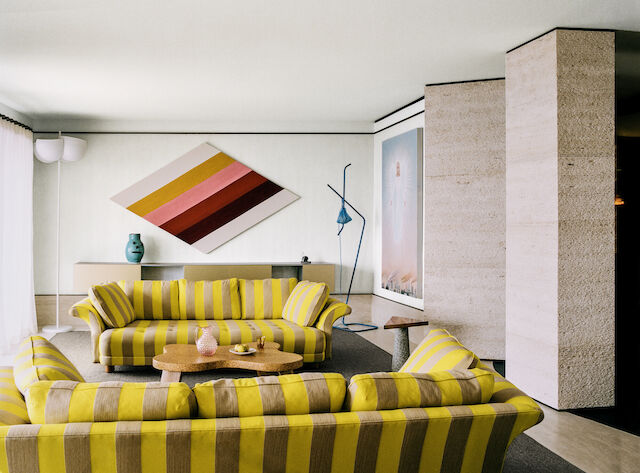
Interior Decorator in Paris
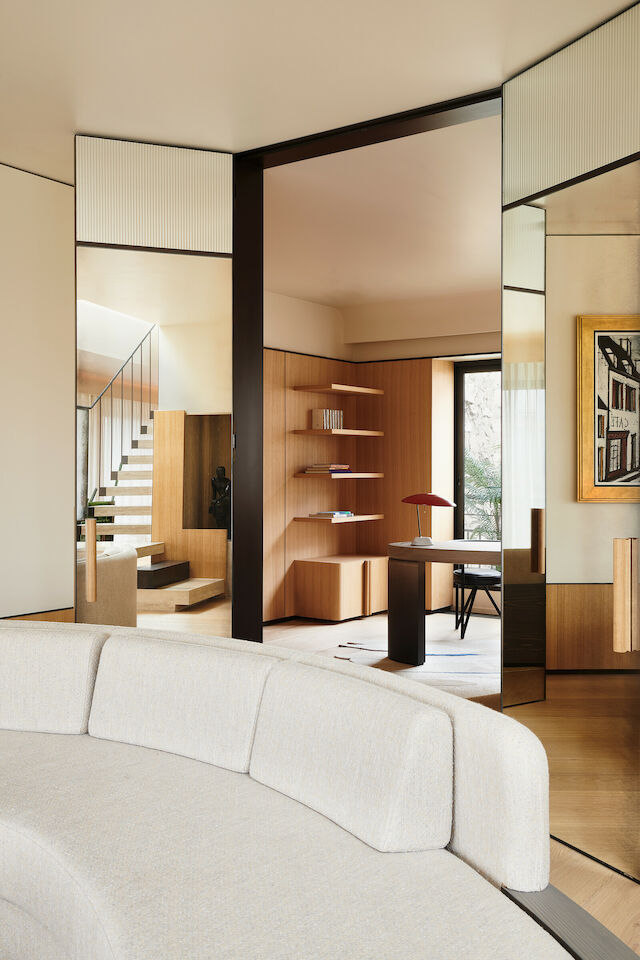
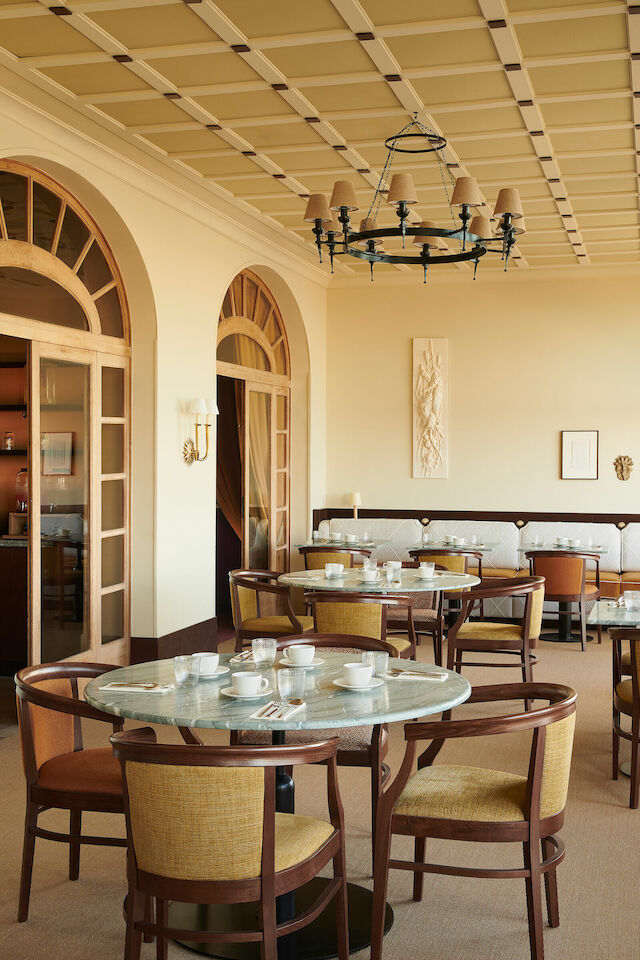
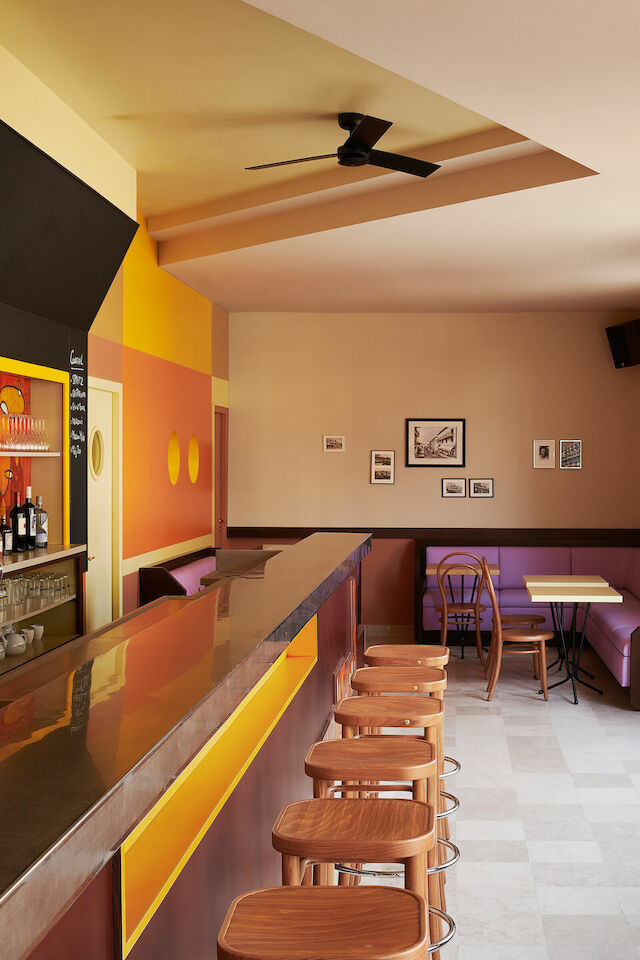
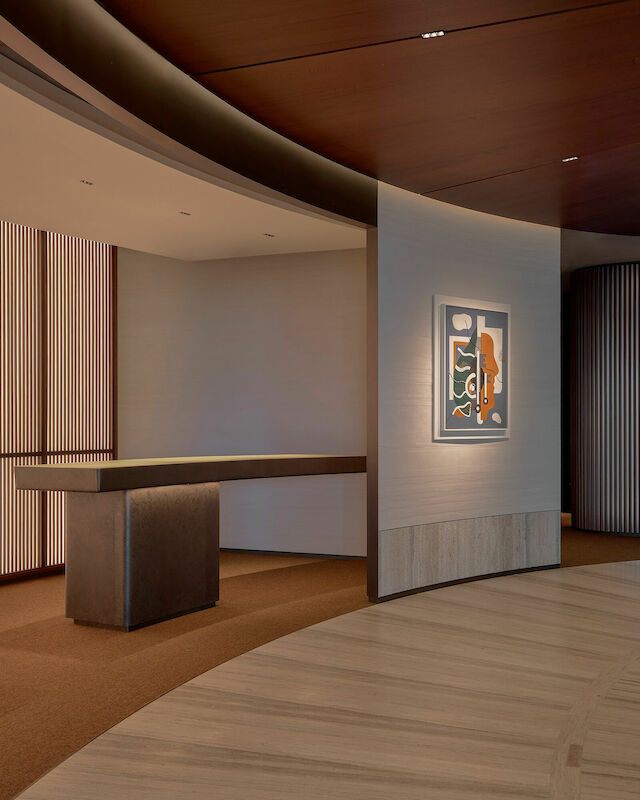
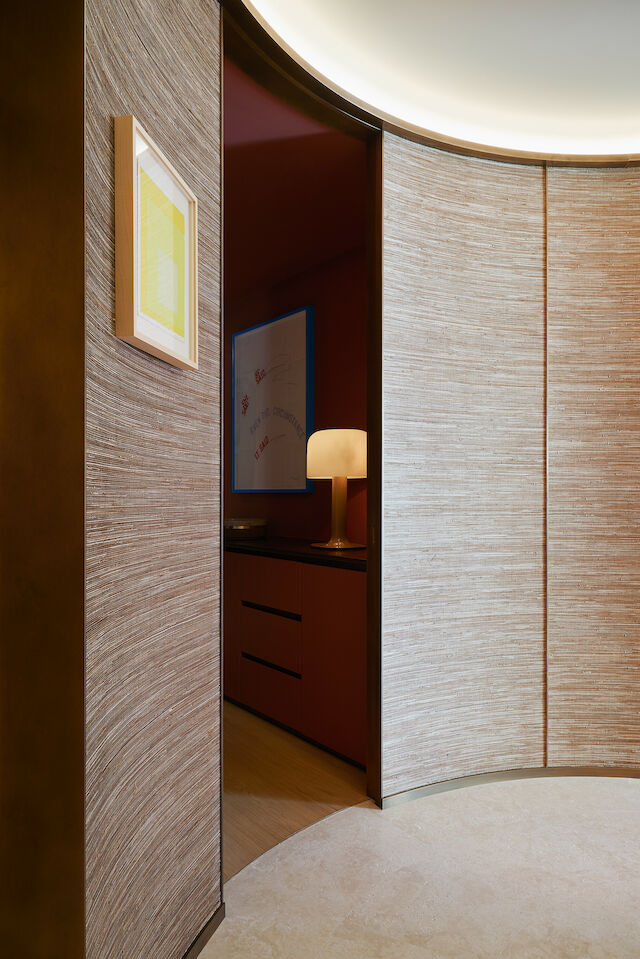
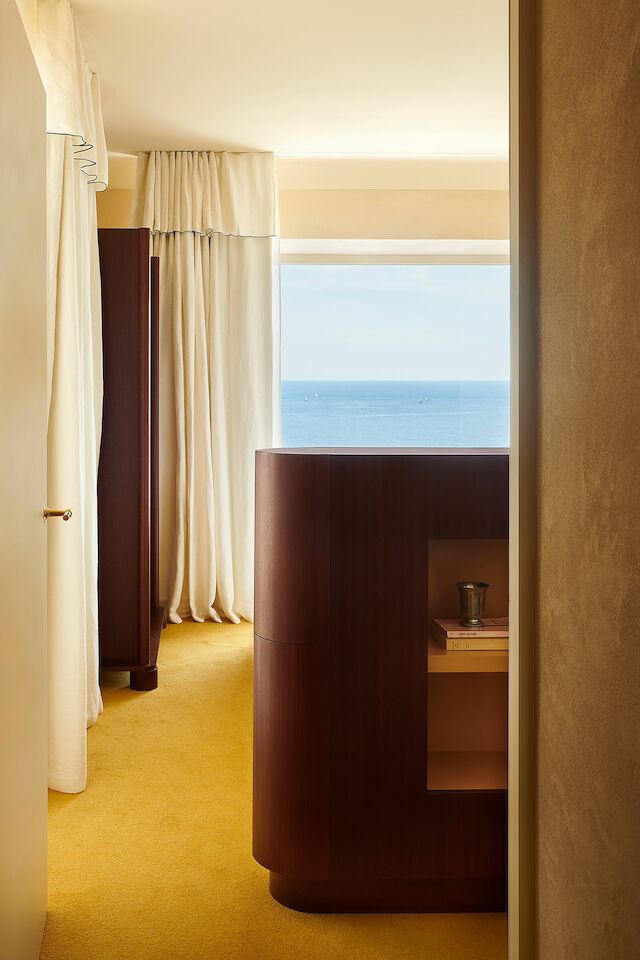
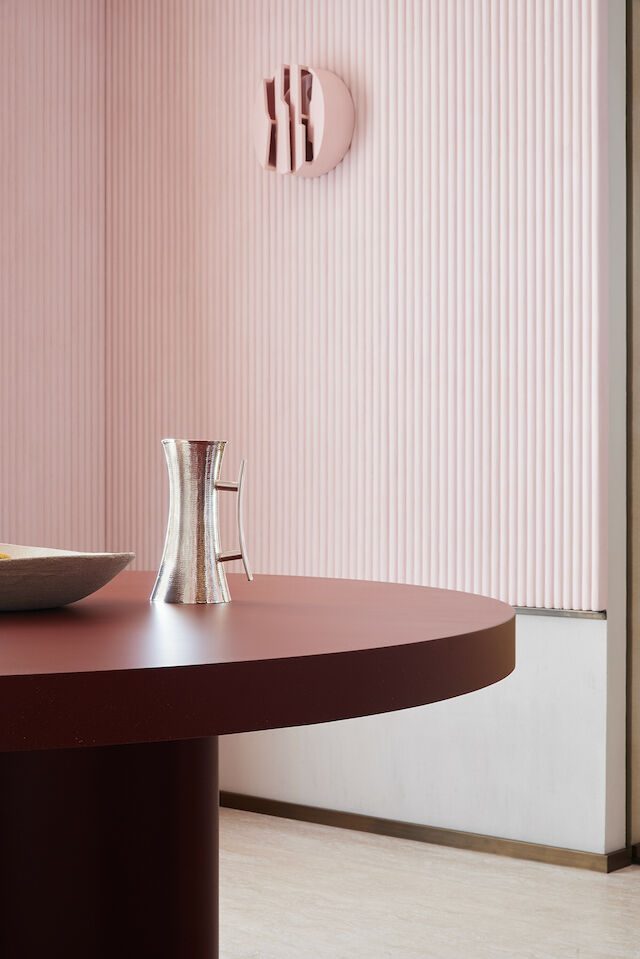
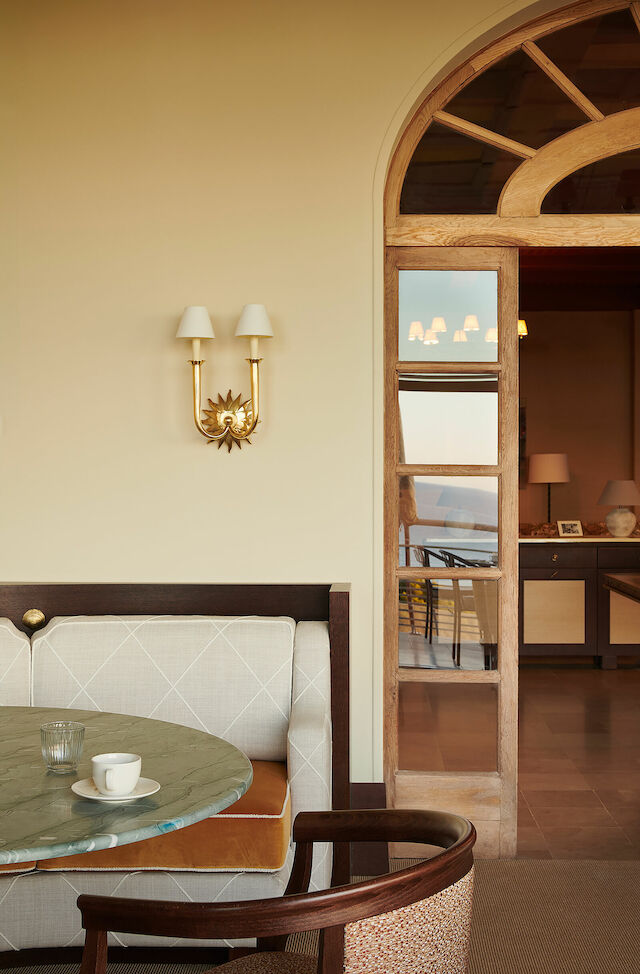
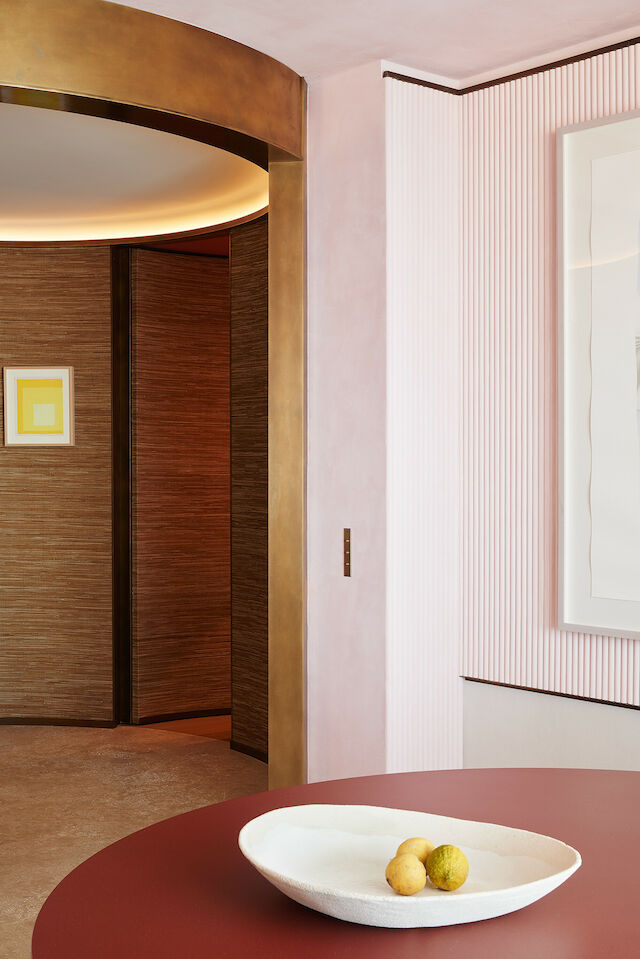
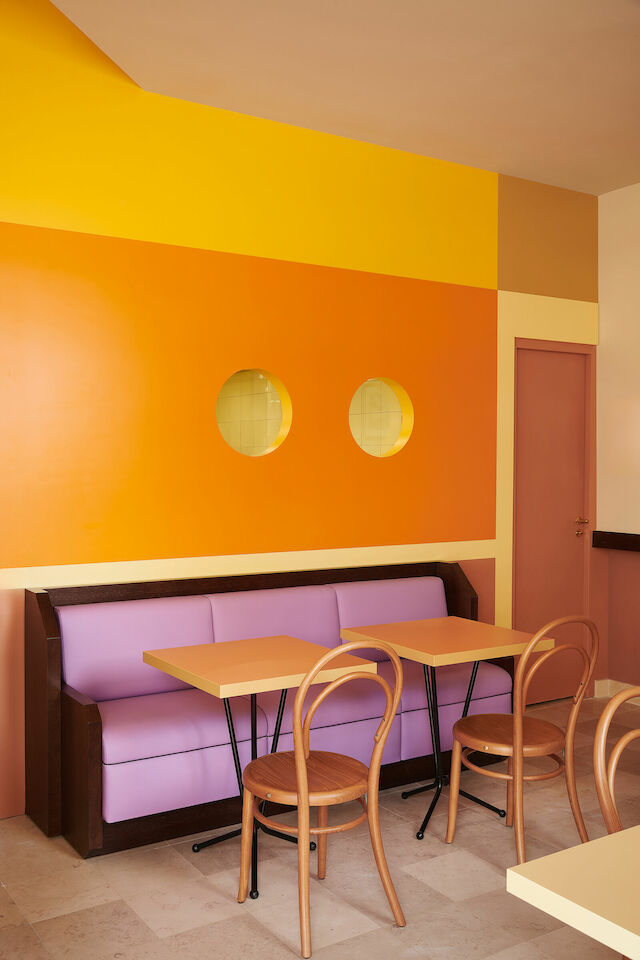
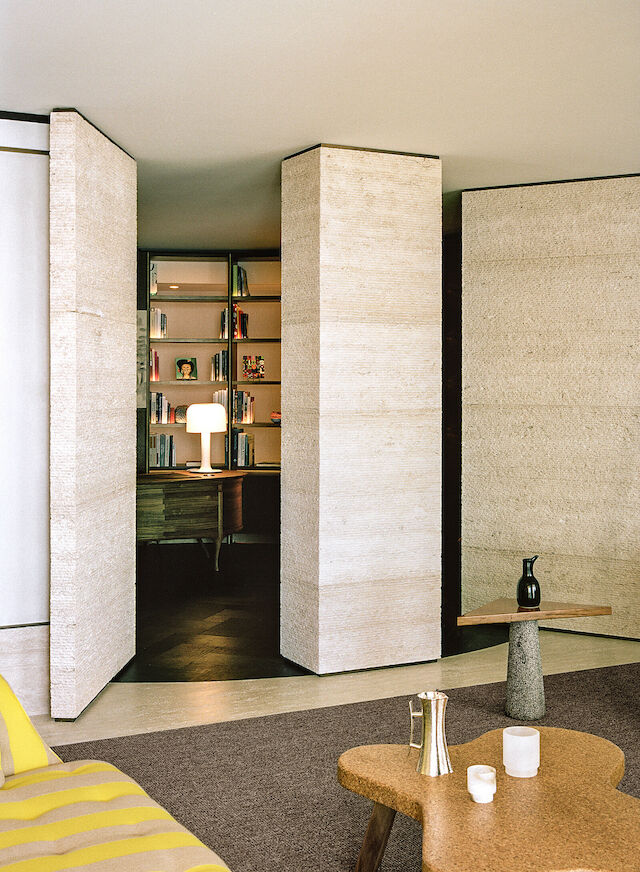
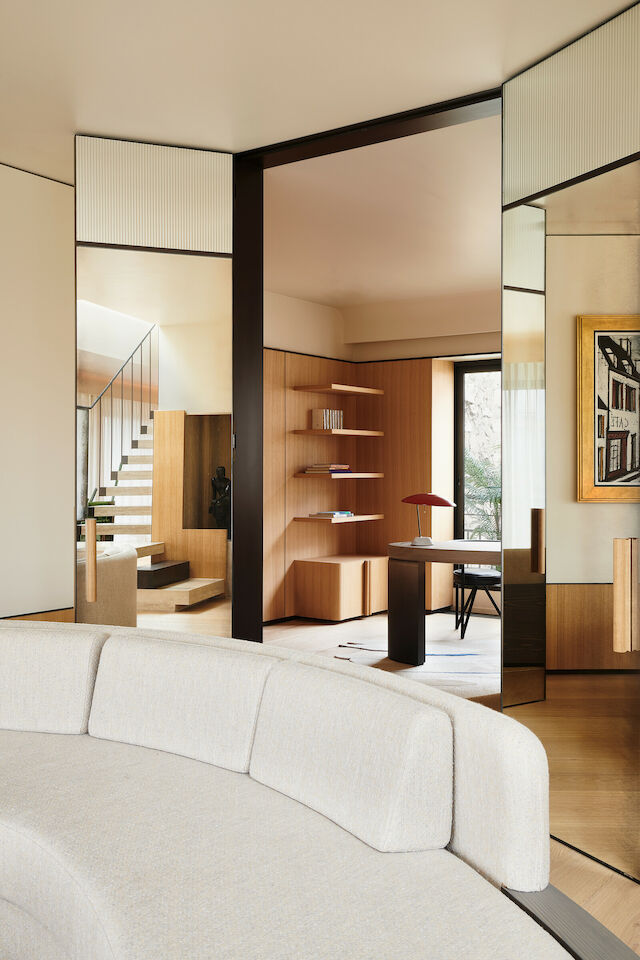
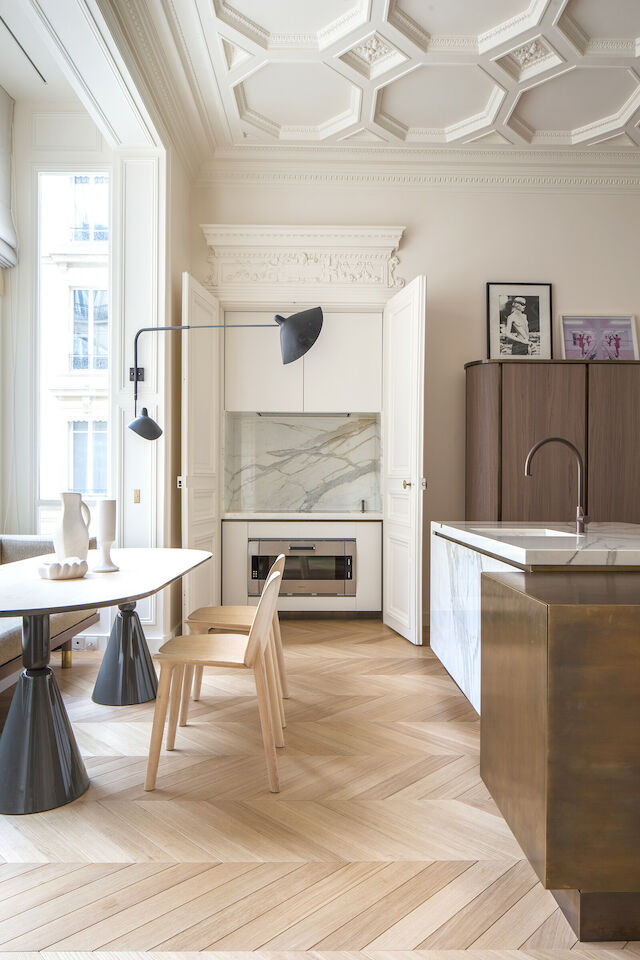
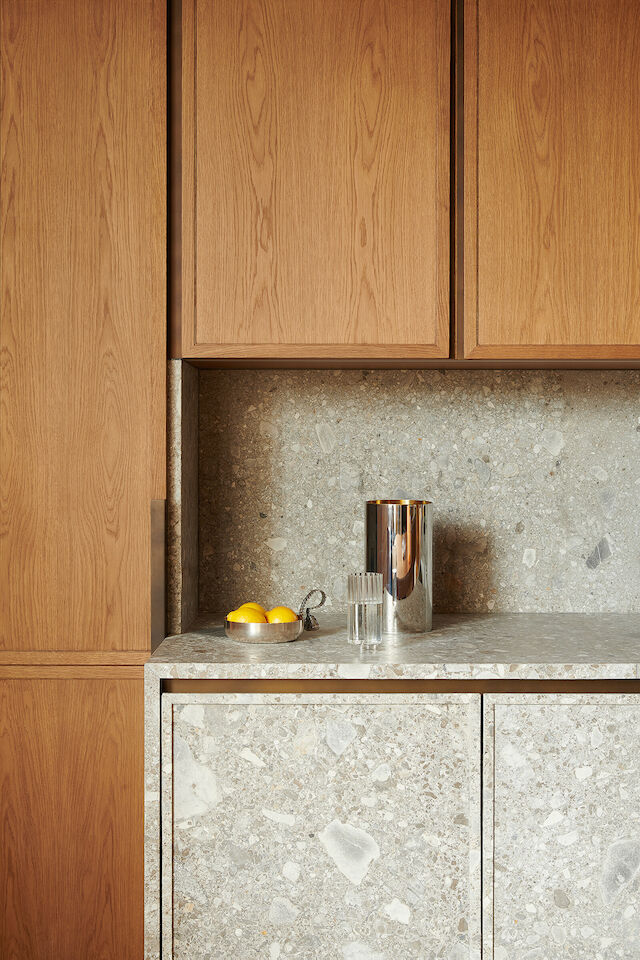
High-end interior design and decor in Paris
In Paris, interior design is not about simply "adding nice things". A serious interior decorator solves a concrete problem: how to make a home or a venue feel right immediately, pleasant for everyday living, coherent, and at the level expected of a premium residence. In a Haussmann-era apartment, a hotel, a restaurant or a luxury store, the details matter as much as the overall idea. A poorly chosen colour, a badly placed lamp, awkward circulation: everything shows, everything is felt.
Rodolphe Parente's Paris-based studio creates high-end decor and interior architecture projects for homes, hotels, restaurants and brands. The goal is clear: to create elegant, precise homes and venues that stand the test of time, with execution to match in materials, joinery, finishes and styling.
Rodolphe Parente is a French interior designer and furniture designer who trained at the École Nationale des Beaux-Arts in Dijon, the École Supérieure des Arts Décoratifs in Strasbourg and ECAL in Lausanne, before working for several years alongside Andrée Putman, a major figure in French design. He founded his own studio in Paris, France, in 2009. Today, the designer's clients include renowned houses such as Cartier, Christian Louboutin, Giorgio Armani, Jaeger-LeCoultre and Piaget.
Who a high-end interior decorator in Paris works for
The search for an "interior decorator in Paris" covers several realities. A high-end commission usually concerns:
Private clients looking for an exceptional home. A family apartment, a pied-à-terre, a duplex, a penthouse or a townhouse: the need is often the same. Setting a clear direction, avoiding costly mistakes and getting a flawless result without living in a permanent state of works and decisions.
Hotels. Suites, rooms, lobby, bar, spa, corridors: the decorator must create a signature and an experience while respecting operational constraints. An elegant hotel must also be easy to maintain, clean and repair.
Fine dining restaurants. A restaurant is a theatre. The dining room must make an impression, but above all it must work: acoustics, comfort, service flow, evening ambience, and materials that resist real life.
Brands and retail spaces. A high-end store must express the world of a brand within seconds, without visual overload. And it has to sell: it is a commercial space before it is a pretty image.
Interior decorator or interior designer: the difference, without confusion
In practice, the boundaries shift from one project to another. To put it simply:
An interior decorator works on atmosphere and aesthetic choices: furniture, colour, materials, decorative lamps, textiles, art, and sometimes the drawing of bespoke items. The decorator can also set the overall style and ensure consistency from start to finish.
An interior designer or interior architect works more deeply on the space itself: partitions, layout, technical design, detailed drawings, contractor coordination and site supervision. In a high-end project, these subjects quickly overlap, because successful decor often depends on technical decisions such as integrated light sources, joinery, proportions, levels, networks and ventilation.
In reality, many Parisian projects need both skills, and most interior designers in Paris combine them. What matters is not the label but the level of mastery: drawing, detail and execution. That is why the best interior designers in Paris often work as decorators too, and the reverse.
What "luxury" means in interior design, and what it does not
Luxury does not mean "marble everywhere" or an accumulation of expensive items. It shows in accuracy and precision.
A high-end living space can be recognised by:
- Calm proportions: nothing is crushed, nothing is too small, nothing shouts.
- Consistent materials: wood, stone, metal, textiles, each where it belongs.
- Flawless alignments: joints, skirting boards, frames, ceiling grids.
- Carefully worked illumination: scenes, indirect sources, colour temperatures suited to the space.
- Real comfort: acoustics, seating, circulation, storage, quality of use, the touch of every surface.
- Clean finishes: edges, joints, corners, hardware, paint, doors.
In Paris, this standard is non-negotiable, because volumes and architectural details such as ceiling heights, mouldings, parquet floors, fireplaces and tall windows immediately reveal what works and what does not.
The Rodolphe Parente approach: elegance, precision and attention to detail
The studio works on projects where expectations are high. It works with "visual silence" as much as with effect. The expected result: a legible sophistication, never flashy. The studio refuses to repeat a single style from one project to the next, and draws freely on the innovative spirit of the 1930s, the glamour of the 1970s and the radicalism of the 1980s, combined differently for each home or venue. This creative freedom is what sets a designer apart from a decorator who repeats the same look.
Three axes come back in every high-end project:
- Line: clear volumes, balance, visual axes, controlled symmetry.
- Material: careful selection, clean combinations, graceful ageing, touch.
- Lighting: staging, depth, mood from morning to evening.
The studio relies on a network of craftsmen and contractors able to work at the expected level: joinery, stone, paint, plasterwork, metalwork, upholstery, fitting and light fittings. This craftsmanship is what turns a contemporary design into a lasting home.
Interior design in Paris: what is actually delivered
An interior design commission at this level is not about "choosing a sofa" and two colours. It requires a clear framework and concrete deliverables, to avoid vagueness and contradictory decisions.
Depending on the scope, it can include:
- Art direction: atmosphere, references, colour palette, overall spirit.
- Material selection: wood, stone, plasters, fabrics, wall coverings, metals.
- Furniture: statement pieces, balancing bespoke furniture with pieces from design editors.
- Textiles: curtains, sheers, rugs, cushions, headboards, acoustic panels.
- Illumination: pendants, wall lights, lamps, but also integration and scenes.
- Art: ceramics, mirrors, books, unique works, hanging.
- Purchasing files: detailed lists, quantities, lead times, alternatives, budgets.
- Layout: furniture placement, circulation, heights, proportions.
In the most ambitious projects, the decor is built together with the works. A classic example: a bespoke bookcase, a textured wall, a lit niche, a worked ceiling. These elements shape the interior design as much as the other way round.
Residential projects in Paris: Haussmann apartments, contemporary flats and townhouses
High-end Parisian residential projects have their own constraints: irregular walls, old floors, networks to redo, strict co-ownership rules, limited site access. A decorator working at this level must anticipate the reality of the building.
- reconciling old and contemporary without caricature;
- working on transitions: floors, thresholds, mouldings, cornices;
- making room for bespoke furniture and storage without heaviness;
- creating an evening atmosphere, where true comfort is often found;
- making the space flow: circulation, reception areas, privacy, calm.
A high-end apartment often looks "simple". That simplicity is expensive in precision: measurements, details, material tests, prototypes and adjustments.
The studio's residential projects include private apartments across Paris, from Saint-Germain to Trocadéro, Ranelagh and Henri Martin, as well as a 650 sqm residence in Monte-Carlo.
Hotels: high-end design must also work
In a hotel, interior design is not a fixed setting. It is the frame of an experience, repeated hundreds of times a month and judged by demanding guests.
- Durable choices: fabrics, coverings, hardware, furniture legs, corners.
- Maintenance and replacement: available parts, alternatives, smart standardisation.
- Perceived comfort: acoustics, colour temperature, touch.
- Identity: a clear signature, consistent with the category and location.
A successful lobby is not only beautiful. It guides, reassures, makes guests want to stay, and instantly tells the story of the hotel. The studio has applied this approach to hotels such as Le Provençal on the Presqu'île de Giens and Experimental Roma in Rome.
High-end restaurants: acoustics, light and rhythm
A restaurant can be superb and still exhausting. The cause is almost always the same: noise and light.
An interior designer specialised in high-end restaurants must handle:
- Acoustics: ceilings, panels, textiles, surfaces, reverberation.
- Evening light: warm, precise, flattering, with no dead zones.
- Comfort: spacing, seating, visual warmth, privacy.
- Circulation: service, access, flows, waiting areas, bar, restrooms.
- Resistance: floors, walls, banquettes, tables, finishes that can be cleaned.
Restaurant design is not a "style". It is a complete system: atmosphere, use and technique.
Materials, the real playground of high-end design
Quality is first perceived through materials. Not through quantity, but through accuracy.
Some families often found in high-end homes:
- Wood: oak, walnut, matt finishes, deep tones, visible grain.
- Stone: travertine, marble, quartzite, with clean layouts and sharp cuts.
- Metal: brass, bronze, patinated steel, provided reflections and joints are mastered.
- Plasters: lime, stucco, fine textures, depth without overload.
- Textiles: wool, linen, velvet, bouclé, and above all a selection suited to use.
What separates high-end design from "pretty" is installation. A fine material badly installed becomes ordinary. A simple material perfectly installed becomes chic.
Lighting: the most visible difference, and the most neglected
Many Parisian homes miss the essential: the evening. A premium home is judged at 9 pm.
- Layers: general, accent and decorative sources.
- Temperatures: consistent, without harsh mixes.
- Beams: controlled, without glare.
- Controls: simple scenes, not a dashboard.
An impressive pendant is not enough. Indirect sources, well-placed wall lights and integrated lines change the perception of volumes and materials.
Bespoke: when it is necessary, and when it is not
Bespoke work is part of the vocabulary of high-end design, but it must be justified. It makes sense when the space is atypical, when the project calls for a signature item such as a bookcase, a bar, a headboard or a dressing room, when storage must visually disappear, or when proportions require furniture at exactly the right scale.
It becomes counter-productive when it is systematic for no reason: extra cost, delays, visual heaviness. A high-end decorator knows how to strike the balance: bespoke where it is decisive, selection elsewhere, always serving a coherent whole.
Choosing among the best interior designers in Paris
Paris has many talented interior designers, furniture designers and decorators, from established names to younger creative studios. To find the designer who suits your project, a few simple ideas can guide your choice:
- Look at the work, not only the style: discover completed projects, read how each designer talks about their approach, and check that their portfolio covers homes, hotels or restaurants similar to yours.
- Look for a personal, distinctive signature: the best designers create spaces that feel unique rather than following a trend. A signature style should come from a way of thinking, not a repeated formula.
- Check the craftsmanship: ask about the time each project takes, the workshops and craftsmen behind the furniture and decorative elements.
- Make sure the designer or architect knows the building: you need someone who knows how old buildings behave, because Parisian architecture, its history and its constraints call for specific skills.
- Meet the designers: a first meeting tells you whether the relationship will work over the months of a project.
Interior designers who create spaces with a clear point of view often stand out. Rodolphe Parente's studio brings together these qualities: a creative, contemporary and modern approach, rooted in French design history, and a body of work that spans private homes, hotels and restaurants, and retail spaces for international brands.
How a project with a high-end interior decorator in Paris works
A clear method avoids mistakes, delays and disappointment.
- Framing: analysis of the space, constraints, uses, timing, level of transformation, budget.
- Design: intention, palette, materials, furniture, first structuring choices, lighting direction.
- Selection and costing: purchasing list, alternatives, decisions, compatibility of lead times.
- Execution and installation: coordination, delivery, installation, adjustments, decorative finishes, hanging.
In a high-end project, the last stage is crucial: it is when the home becomes "obvious".
Frequently asked questions about hiring an interior decorator in Paris
What budget should I plan for high-end interior design?
There is no universal figure. The budget depends on the surface area, the amount of bespoke work, the statement items and the constraints of the space. In high-end projects, the items that often weigh most are joinery, light fittings, textiles, seating, coverings and art.
Decor only, or a full project with works?
Both exist. But high-end decor is usually more successful when it is designed together with the space: light, sockets, layout, details. Even without major works, a few technical adjustments change everything.
Lead times mostly come from the items themselves: joinery, lamps, fabrics, furniture. A high-end project needs realistic planning, otherwise the end is rushed.
How do I avoid an "over-decorated" home?
In high-end projects, excess ages quickly. The right approach: fewer objects, more quality, more coherence, and a clear hierarchy, with one or two statement items and everything else serving the whole. Good interior designers know when to stop.
To discuss your decor or interior design project in Paris with a French designer who works across homes, hotels, restaurants and retail spaces, send a message to Rodolphe Parente's studio, call +33 (0)1 40 23 01 12 or email contact@rodolpheparente.com. Feel free to share a few details about your home, its spaces and your timing.