Interior Designer for Luxury Hotels
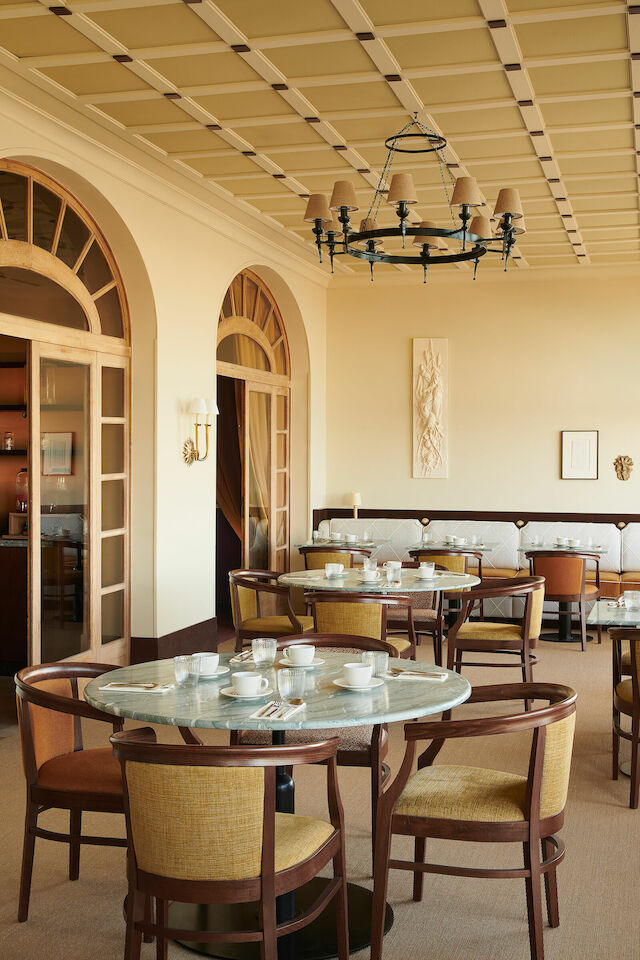
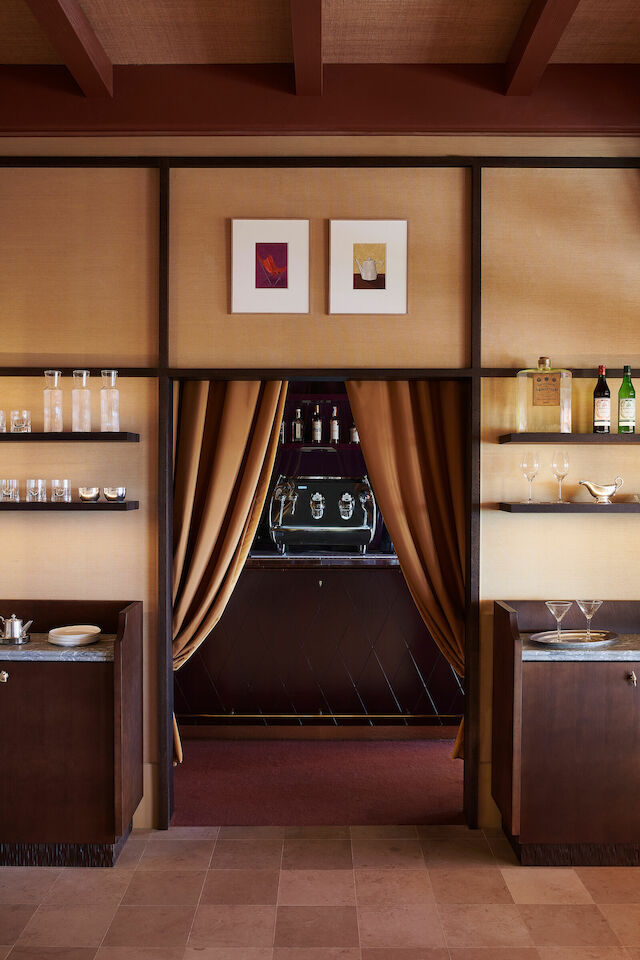
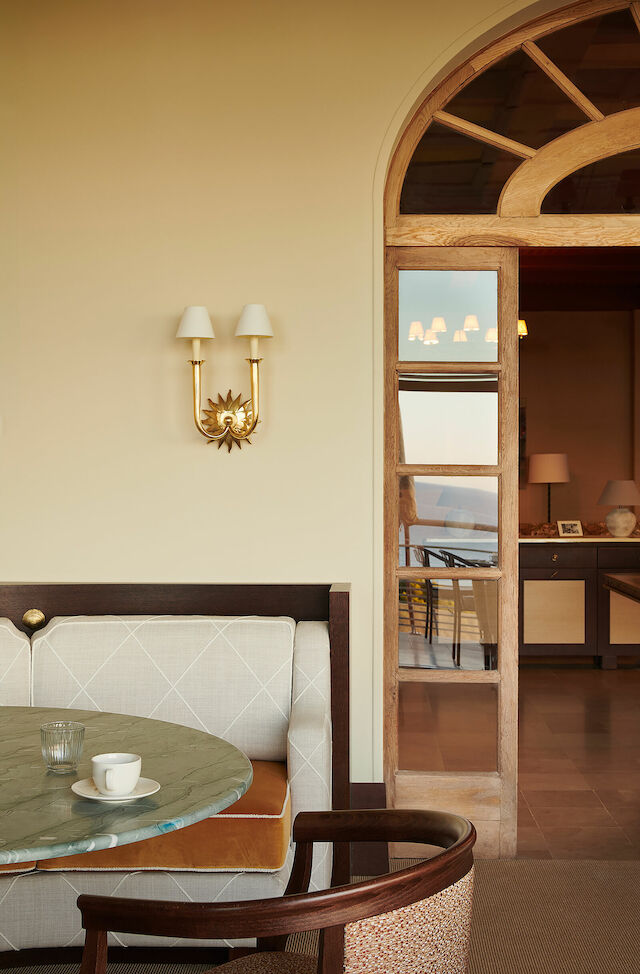
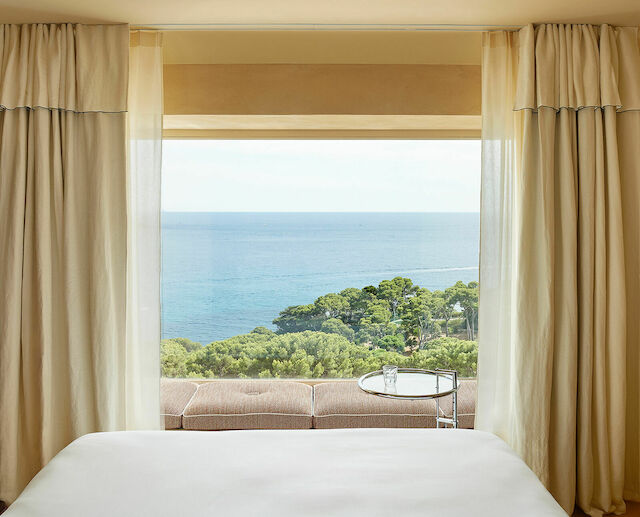
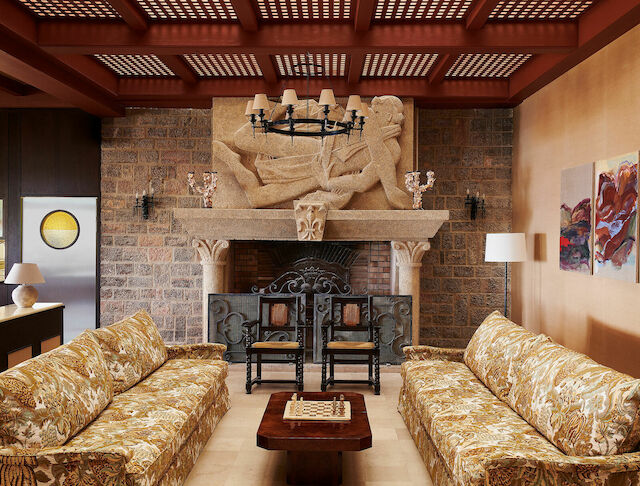
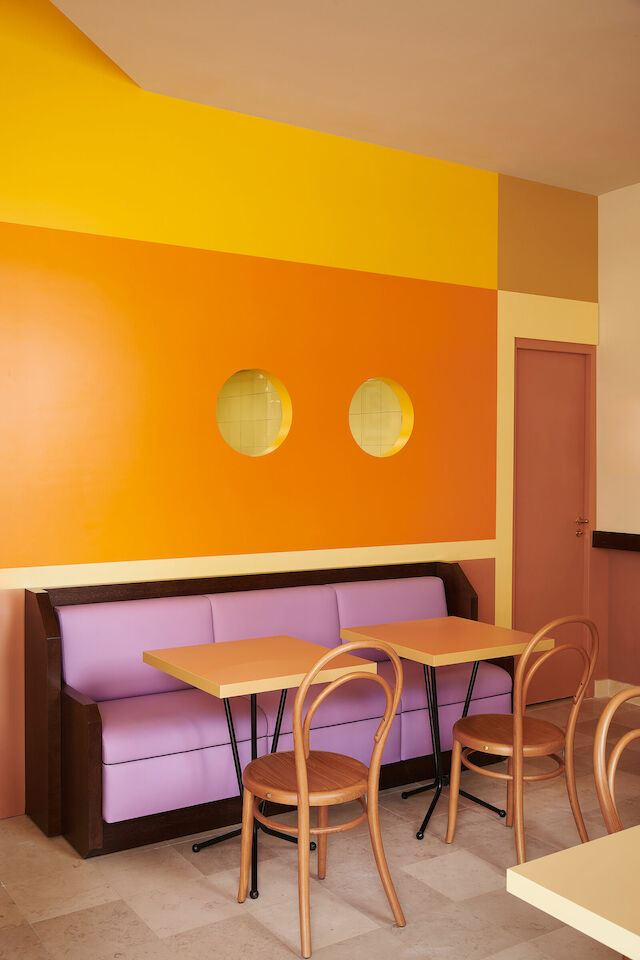
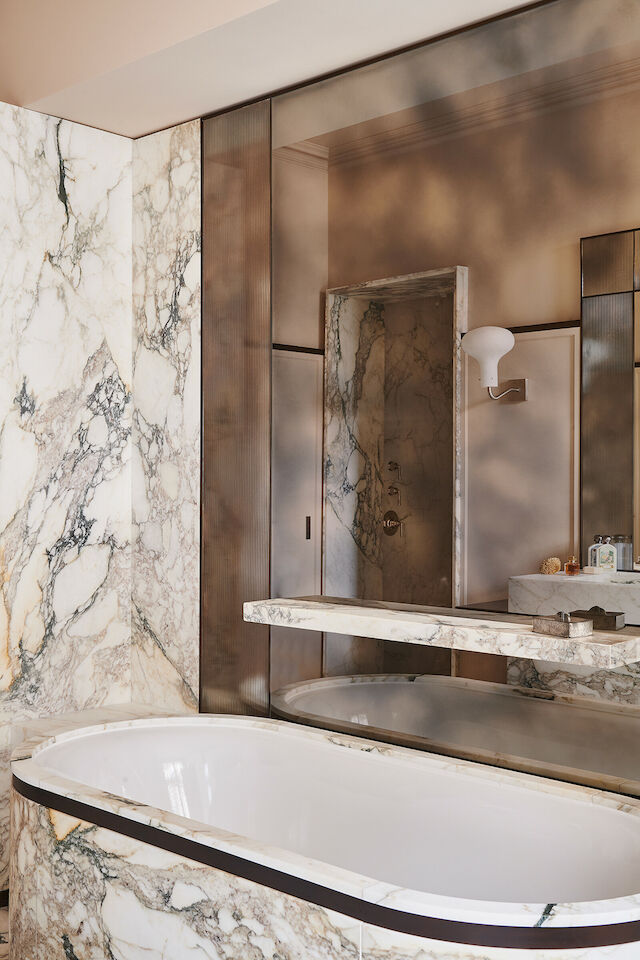
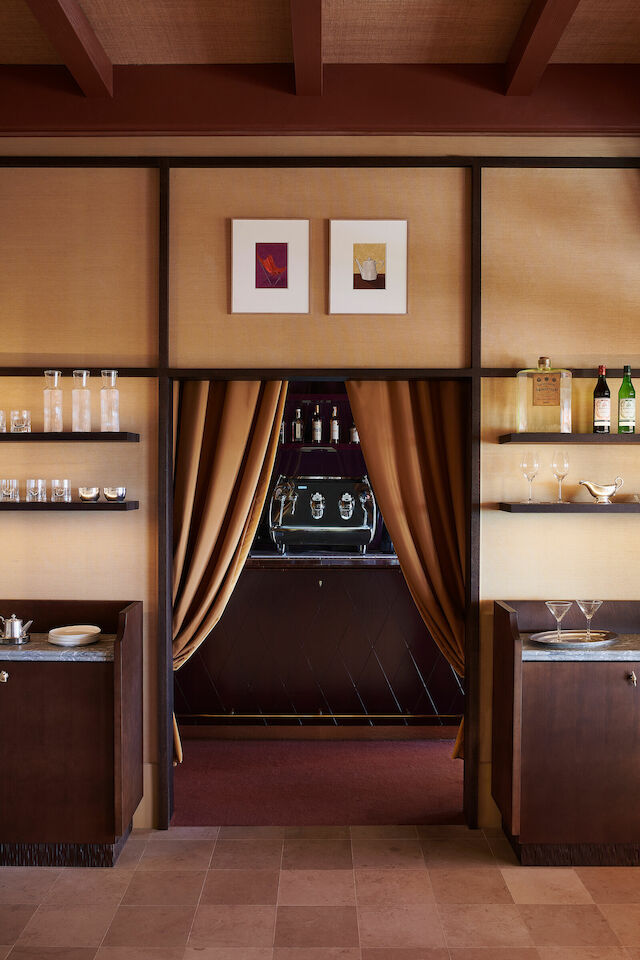
Designing a luxury hotel is not about “decorating a beautiful place”. It means creating a complete experience: an identity, a sense of comfort felt from the moment guests enter, smooth circulation, the right acoustics, controlled lighting, long-lasting materials, and spaces that tell a story — from the lobby to the rooms, from the bar to the rooftop.
Rodolphe Parente Architecture & Design supports high-end hospitality projects — hotels, restaurants, bars and destination venues — in France and internationally, with a comprehensive approach to space shaped by a dual culture of interior architecture and design.
What interior architecture changes in a high-end hotel
In luxury hospitality, interior architecture has a direct impact on:
- Desirability: a distinctive, identifiable, photogenic and memorable world.
- Perceived quality: proportions, details, the feel of materials, lighting and silence.
- Operational efficiency: guest and staff circulation, housekeeping, maintenance and durability.
- Brand consistency: the same standards of emotion and precision, from the lobby to the bathroom.
- Value: the ability to support positioning, ADR, guest loyalty and word of mouth.
A successful project is not an accumulation of effects. It is a balance between narrative, functionality and excellence in execution.
Missions of an interior designer in luxury hospitality
1) Concept, identity and storytelling
The interior designer defines the “why” and the “how” of the place:
- creative concept, materials and colour palette, graphic codes
- inspirations, references, lighting intent
- ambience strategy by space: day/night, summer/winter, business/leisure
- alignment with the DNA of the hotel brand
2) Zoning, guest journey and ergonomics
Before drawing, the use of the space must be organized:
- hierarchy of spaces: entrance, reception, lobby, F&B, wellness, rooms
- readability of routes, thresholds, viewpoints and sequences
- flow management: guests, staff, deliveries and back-of-house
- improvement of surface use and comfort: seating, waiting areas, storage
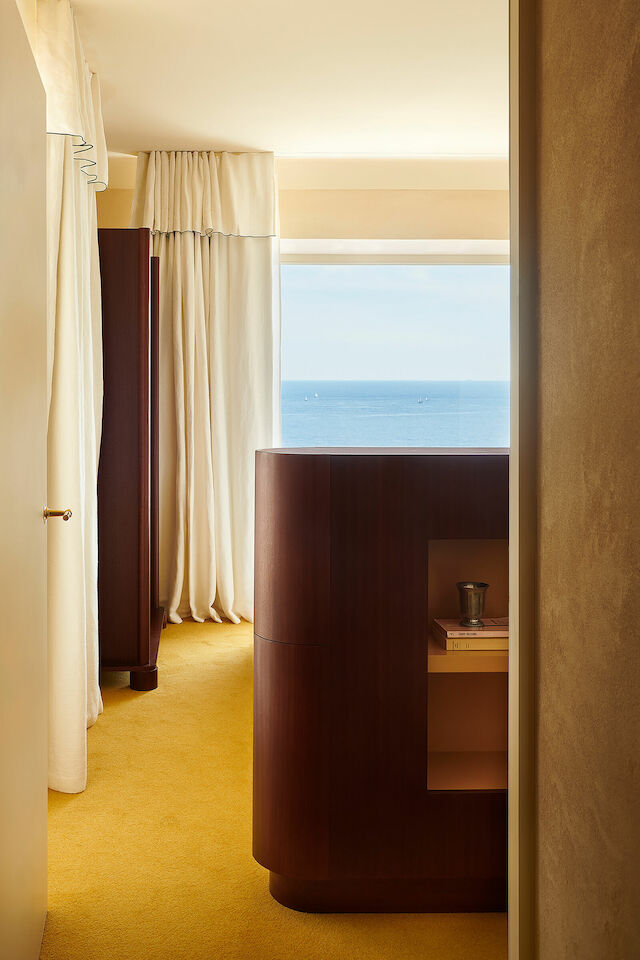
The room is the core of the hotel product:
- typical layouts and variations: standard room, junior suite, suite
- bathroom design: privacy, comfort, durability and maintenance
- usage details: sockets, reading lights, curtains, dressing area, mini-bar, safe, luggage space
- acoustic treatment, blackout, temperature and ventilation
- custom furniture design and technical integrations
4) F&B, bar, rooftop, spa: spaces of attraction
In a luxury hotel, these spaces must also live beyond in-house guests:
- restaurant: scenography, comfort, density, lighting and acoustics
- bar: rituals, seating, circulation, atmospheres and signature moments
- rooftop: views, shade, outdoor materials and weather resistance
- spa/wellness: guest journey, privacy, hygiene, lighting and silence
5) FF&E, custom furniture and selection of pieces
- FF&E selection: furniture, fixtures and equipment
- design of custom pieces: headboards, lighting, consoles, banquettes
- selection of objects, textiles, art and accessories, with consistency and longevity in mind
6) Aesthetic direction through to construction
- design files, details and prototypes, such as a mock-up room
- coordination with the client, architect, engineering consultants and contractors
- execution monitoring, sample approvals and quality control of finishes
A bespoke approach: the studio’s working method
Every luxury hospitality project requires finding the right tone, without applying a mechanical formula. The studio develops a language adapted to the context, the uses and the intended guest.
In practice, the mission may be structured as follows:
- Immersion: site, constraints, history, objectives, budget, schedule and operator standards.
- Concept and narrative: identity, atmospheres, materials, lighting and points of difference.
- Preliminary design: zoning, layouts, moodboards and first furniture/lighting intentions.
- Development: details, FF&E, joinery, specifications and technical coordination.
- Prototype: mock-up room or sample area to validate comfort, materials and finishes.
- Construction phase: site monitoring, sampling, adjustments, fine-tuning and handover.
Rodolphe Parente’s references and experience in hospitality Le Provençal — Giens Peninsula
The studio led the complete renovation of Le Provençal hotel, a 44-room property on the Giens Peninsula.
This hospitality project reflects a typical luxury challenge: modernizing the guest experience while respecting the soul of the place, working on light, textures and the precision of details, and creating a coherent atmosphere at every scale.
Experimental Roma — opening announced for summer 2026
The hotel group Experimental has announced Experimental Roma, located on Via Veneto, an address whose “atmosphere” is created by Rodolphe Parente, with a rooftop and swimming pool. The opening is indicated as summer 2026 on the group’s website.
Hospitality training at the highest level of requirement
Rodolphe Parente worked for several years alongside Andrée Putman before founding his studio in Paris.
This culture of detail and hospitality experience is also mentioned in a Financial Times / How To Spend It publication, which notably refers to the Morgan(s) Hotel in New York in the context of Putman’s work.
Why work with an interior designer specialized in luxury hospitality
- Create a non-stereotyped place: a signature, without copying and pasting trends.
- Elevate comfort: what is felt — silence, light, proportions — more than what is immediately seen.
- Secure execution quality: materials, details, consistency and durability.
- Reconcile desirability with operational constraints: maintenance, upkeep and longevity.
- Support positioning: interior architecture supports price, loyalty and reputation.